
Let op: je bekijkt onze website op een verouderde browser. Hou er rekening mee dat bepaalde onderdelen van de website niet goed getoond worden.
Voor 22.00 uur besteld, vandaag verzonden
Lengte bruikbare deel
21 cm
witte aluminiumoxide
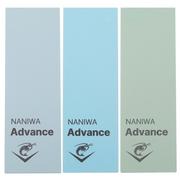
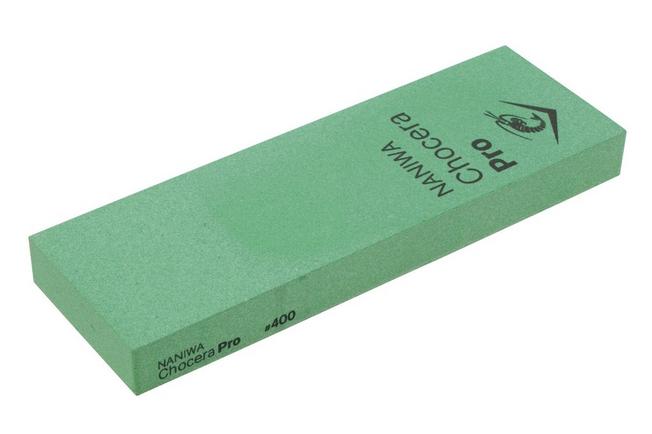
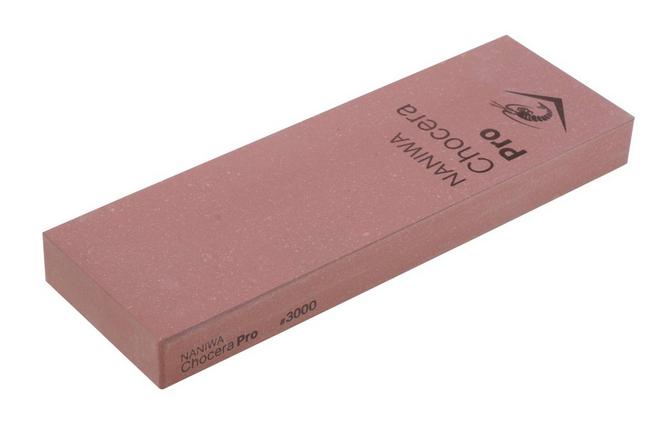
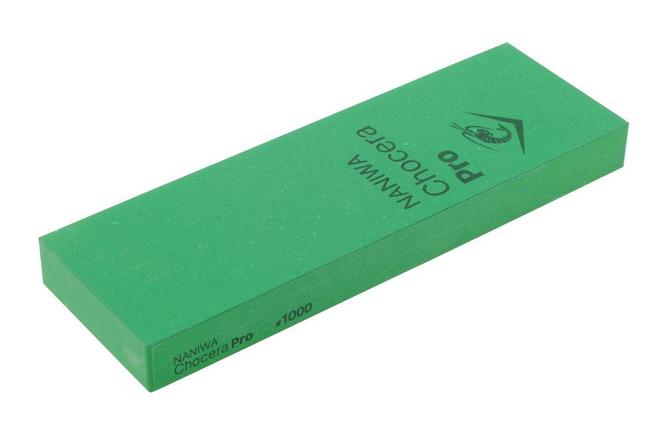
1000, 3000, 400
Zijn je messen toe aan een slijpbeurt?
Doe de keuzehulp en ontdek welk slijpgereedschap je nodig hebt.
2 cm
Lengte
21 cm
Lengte bruikbare deel
21 cm
2.450 gram
Breedte bruikbare deel
7 cm
witte aluminiumoxide
magnesiumgebonden
1000, 3000, 400
Type
slijpsteen
nee
ja, oppervlak bevochtigen
Grof (220-600), Extra fijn (3000-5000), Fijn (1000-3000)
Geleverd als pakket
ja
nee
Opbergbox / etui
nee

donderdag 4 december 2025
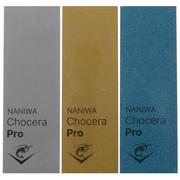
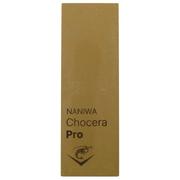
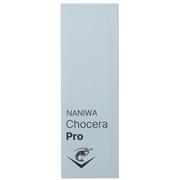
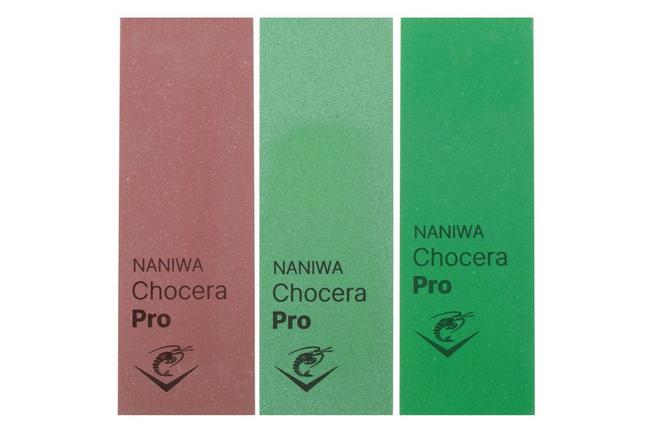
I spend quite a number of hours woodworking every week. I also drill holes in aluminium and all sort of steel as part of a 2 year project to help an artist exhibit his art creations. And like most of us, I eat food once in a while even cook that food which in turn requires me to cut foodstuff in the kitchen. All in all, I have sharpened thousands of planer blades, chisels, hatchets, survival knives, kitchen knives, precision wire cutters as well as hundreds of drill bits. In the process, I have used natural stones, CBN, electroplated diamond stones, resin diamond stones and of course many synthetic Japanese whetstones from manufacturers like Shapton, Suehiro, King, Takayuki and Imanishi. Recently, I jumped at a deal for the Naniwa Chocera Pro 400, 1000, 3000 stones. In my humble opinion, obtaining a keen age requires (1) some basic knowledge about steel and the main types of abrasives (i.e. aluminium oxide, silicon carbide, diamond and cubic boron nitride); (2) good sharpening technique; and (3) access to decent quality abrasive medium. The Naniwa Chocera Pro stones satisfy criterion (3) and then some more. They cut efficiently any steel I throw at them, be it 1095, D2, Sleipner, 14c28n, 52100, DC53, HSS M2 or CMP 3V. They almost never load up and despite feeling slightly soft, exhibit minimal wear. Using them has been such pleasure that I am now contemplating getting the 800 and 5000 stones. These stones nevertheless require one to be careful with excessive water exposure. By excessive, I mean hours long pre-soaking and permasoaking. As with the overwhelming majority of Japanese whetstones, the Naniwa Chocera Pro series rely on aluminium oxide (chemical formula Al₂O₃) for abrasive function. What makes the Naniwa Pro series unique is magnesia. During the manufacturing of the Chocera stones, magnesia (magnesium oxide, chemical formula MgO) which is a cementing agent is mixed with the aluminium oxide abrasive particles and then forced to undergo a chemical reaction. The magnesium oxide turns into magnesium hydroxide, also known as brucite, and hardens significantly, thus holding the aluminium oxide abrasive particles tightly together. The presence of magnesia binder in and of itself should discourage prolonged soaking of these stones in water and outright rule out permasoaking. This because prolonged exposure to water results in three distinct processes: (i) the gradual dissolution of magnesia in water; (ii) a reaction between water molecules and magnesia which yields magnesium hydroxide; (iii) a reaction between magnesia and carbon dioxide present in water which results in hydrated magnesium carbonate. Note that drinking water contains 3 to 5% carbon dioxide which is exponentially higher than the CO2 present in the atmosphere. All three processes mentioned above affect gradual loss of magnesia and undermine physical and functional properties of the stones. For these reasons, proper drying and storage of Naniwa Pro stones is important.
woensdag 26 november 2025
vrijdag 17 oktober 2025
Amazing stones, got my Japanese knives sharp again very quickly.
donderdag 15 mei 2025
woensdag 14 mei 2025
Bekijk alle reviews